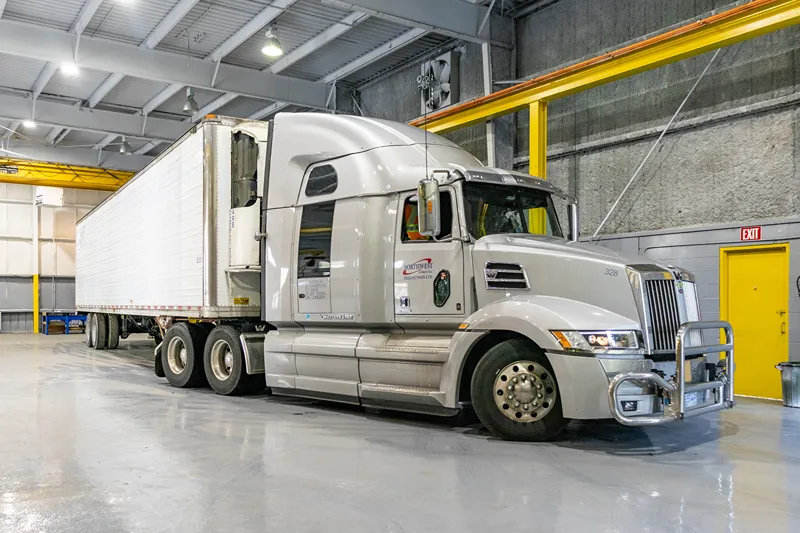
Your truck runs perfectly on a dry day, but after a rainy freight run through Delta, warning lights appear, and electrical components start acting up. The rain isn't necessarily causing new damage. It's often exposing corroded connections, weakened wiring, or existing electrical faults.
Understanding these warning signs can help you arrange heavy-duty truck electrical repair in Delta, BC before an intermittent problem becomes a roadside breakdown.
Why Does Delta’s Rainy Season Affect Heavy-Duty Truck Electrical Systems?
Delta's prolonged autumn rainfall creates challenging conditions for commercial trucks, particularly during November. Repeated exposure to road spray, standing water, and persistent dampness can reveal vulnerabilities in electrical systems that otherwise appear to function normally.
Modern diesel trucks rely on interconnected electrical circuits to operate their engines, charging systems, sensors, and exterior lighting. These systems are designed to withstand normal wet-weather operation, but damaged insulation, deteriorated seals, and exposed connections can allow moisture to reach sensitive components.
When water enters an electrical connector, it can encourage corrosion and increase resistance. In some cases, moisture also creates unintended conductive paths, resulting in short circuits or unstable electrical signals.
The problem becomes especially frustrating when the affected connection dries out and begins working again. This is why intermittent truck electrical problems frequently require more thorough testing than a simple visual inspection.
Commercial tractors travelling along Highway 17 or Highway 91 may encounter considerable road spray during wet-weather operations. While these routes don't cause electrical failures, repeated moisture exposure can make existing weaknesses much more noticeable.
What Are the Five Most Common Heavy-Duty Truck Electrical Problems During Wet Weather?
Rain-related electrical symptoms generally involve connections, wiring, power distribution, sensors, or lighting circuits. Understanding where these problems develop helps you recognize trouble before it disrupts your delivery schedule.
1. Moisture Intrusion and Corroded Electrical Connectors
Water entering a damaged connector seal is one of the most common causes of weather-sensitive electrical faults. Over time, corrosion develops on metal terminals, interfering with the reliable transfer of power or electronic signals.
Corroded truck connectors can produce several symptoms:
- Warning lights that appear during rainfall
- Sensors that stop communicating intermittently
- Electrical components that operate inconsistently
- Fault codes that disappear after the truck dries out
For Class 8 tractors operating along Highway 17, repeated road spray can reach lower-mounted electrical connectors and chassis wiring. If protective seals have deteriorated, moisture may gradually worsen an existing connection problem.
Proper repairs involve inspecting connector terminals, identifying corrosion, and restoring the affected connection with suitable replacement components and weather-resistant protection.
2. Weak Batteries and Corroded Ground Connections
Not every wet-weather starting problem originates inside the battery. Sometimes, the real culprit is a corroded terminal, loose ground strap, or deteriorating battery cable.
Your battery supplies the substantial electrical current needed to crank a diesel engine. Once the engine runs, the alternator replenishes the battery and supplies power to electrical components.
However, excessive resistance at a battery terminal or chassis ground can interfere with both starting and charging performance.
Common symptoms include slow cranking, flickering dashboard lights, and unstable electrical voltage.
For trucks parked outdoors between shifts, persistent dampness can contribute to corrosion around already compromised terminals and connections. Cooler mornings may also make an existing battery weakness more apparent.
Professional heavy-duty truck battery and alternator repair begins with battery load testing, charging-system evaluation, and voltage-drop testing across critical connections.
3. Damaged Wiring Harnesses and Insulation
Your truck's wiring harnesses carry electrical power and signals between numerous components. Unfortunately, years of vibration, movement, abrasion, and exposure can damage their protective coverings.
Once insulation deteriorates, moisture may reach exposed conductors or vulnerable splices. The resulting faults can range from increased circuit resistance to intermittent short circuits.
This is particularly concerning for high-use commercial vehicles, where wiring runs through areas exposed to chassis movement and road debris.
Effective truck wiring repair involves locating the actual damaged section, checking nearby wiring, and restoring the circuit using appropriately rated materials and sealed connections.
Simply covering damaged insulation with ordinary electrical tape may leave the underlying problem unresolved.
4. Intermittent Sensor and Dashboard Warning-Light Faults
A warning light that disappears after the rain stops isn't necessarily a harmless glitch.
Modern diesel engines depend on electronic sensors and control modules to monitor operating conditions. When moisture interferes with a sensor connector, its signal can become unreliable even though the sensor itself remains functional.
This can trigger engine warnings, communication faults, or unexpected operating restrictions.
Through diesel truck electrical diagnostics, technicians can examine stored fault codes, live sensor readings, and circuit behaviour to determine whether the problem originates in the sensor, wiring, connector, or power supply.
Replacing a sensor without confirming the cause may leave the original electrical fault untouched.
5. Exterior Lighting and Electrical Circuit Failures
Heavy rain can also expose weaknesses in your truck's headlights, clearance lights, turn signals, and brake-light circuits.
Water intrusion through damaged lamp housings, corroded connectors, or deteriorated grounds may cause lights to flicker, dim, or stop working.
These problems deserve immediate attention, especially when visibility is already reduced by heavy rainfall.
British Columbia's Motor Vehicle Act Regulations require prescribed vehicle lighting to remain in good working order. Malfunctioning required lights should be repaired before further operation.
A professional truck electrical inspection can identify whether the failure involves the lamp assembly, power supply, grounding point, or associated wiring.
Why Are Delta’s Industrial Fleets Especially Vulnerable to Rain-Related Electrical Faults?
Commercial vehicles serving the Tilbury Industrial Area and Annacis Island frequently operate through repeated deliveries, loading cycles, and outdoor parking periods.
These operating patterns place considerable demands on Class 8 highway tractors, local delivery trucks, and distribution fleets. Frequent engine starts, vibration, and exposure to damp conditions can make deteriorating electrical connections increasingly troublesome.
For fleet managers, a truck that develops electrical faults between deliveries presents more than a repair concern. It can disrupt scheduling, increase unscheduled downtime, and affect vehicle availability across the operation.
What Warning Signs Should Truck Drivers and Fleet Managers Watch For?
Early detection is one of the most effective ways to prevent intermittent electrical faults from becoming larger problems.
Watch for these warning signs during Delta's rainy season:
- Slow or inconsistent starting: Possible battery, cable, or ground-connection problems.
- Flickering headlights or dashboard displays: Potential voltage instability or faulty connections.
- Recurring warning lights: Possible sensor, wiring, or communication faults.
- Electrical problems after rainfall: Potential moisture intrusion through compromised connectors.
- Repeated blown fuses: Possible short circuits or excessive electrical loads.
- Unexplained battery discharge: Potential charging problems or unintended electrical current draw.
Record when symptoms appear, which components are affected, and whether they occur during rain, startup, or highway operation.
This information can make truck electrical troubleshooting more effective by helping technicians reproduce the conditions responsible for the failure.
How Do Professional Electrical Diagnostics Identify Rain-Related Faults?
Finding an intermittent electrical problem requires more than clearing a fault code and hoping it stays away.
Professional commercial truck electrical diagnostics combine electronic testing with physical circuit inspections to identify the underlying failure.
Technicians may perform several checks:
- Fault-code analysis: Review stored diagnostic codes and available operating data.
- Battery and charging tests: Evaluate battery condition, alternator performance, and system voltage.
- Voltage-drop testing: Identify excessive resistance in cables, grounds, and connections under load.
- Wiring inspections: Examine harnesses for abrasion, moisture intrusion, and damaged insulation.
- Connector and circuit testing: Check terminal condition and reproduce intermittent faults when practical.
These procedures help distinguish a defective electrical component from a problem elsewhere in its circuit.
For example, a sensor-related warning may actually originate from a corroded ground connection. Repairing that connection can resolve the fault without unnecessarily replacing an otherwise functional sensor.
For additional information about common electrical components and failures, explore Common Electrical System Repairs in Heavy-Duty Trucks.
How Can You Prevent Electrical Breakdowns During Delta’s Rainy Season?
Regular inspections can help you identify vulnerable electrical components before repeated moisture exposure makes their condition worse.
Include battery terminals, chassis grounds, wiring harnesses, connector seals, and exterior lighting in your preventive maintenance routine. Pay particular attention to components located near wheel spray zones and exposed chassis areas.
Most importantly, don't dismiss a warning light simply because it disappears when the weather improves.
Delta's rainy season doesn't automatically damage a healthy truck electrical system. It exposes weaknesses that deserve proper diagnosis before they develop into expensive downtime.
Schedule Heavy-Duty Truck Electrical Repair in Delta, BC
If your truck develops intermittent warning lights, difficult starts, or electrical failures during wet weather, our team at Freeway Truck Repair & Tire Shop can help identify the underlying problem.
Located at 7544 Vantage Place, Delta, BC V4G 1A5, our shop provides electrical diagnostics, battery and alternator testing, wiring repairs, and in-shop and mobile repair services for commercial trucks.
Just give us a call at (778) 701-8185 to schedule your assessment before a recurring electrical fault interrupts your next freight run.
FAQs
Can rain cause electrical problems in heavy-duty diesel trucks?
Yes. Rainwater can enter damaged connectors, deteriorated wiring insulation, or compromised electrical housings. Moisture may increase resistance, cause corrosion, or create unintended electrical paths. Properly maintained electrical systems are designed to withstand normal rain exposure.
Why does my truck's check engine light come on when it rains?
Moisture may interfere with a sensor connection, wiring circuit, or electrical ground. This can produce an abnormal signal that triggers a diagnostic fault code. Professional testing is needed to confirm the actual cause.
Can corroded battery terminals cause intermittent starting problems?
Yes. Corrosion increases electrical resistance and may prevent sufficient current from reaching the starter motor. Loose connections and deteriorated ground cables can cause similar symptoms, even when the battery itself is serviceable.
Why do truck electrical problems disappear after the weather dries up?
Some moisture-related electrical faults become less noticeable as connections dry and unintended conductive paths disappear. However, corrosion, damaged insulation, or faulty seals may remain, allowing the problem to return during the next rainfall.
Where can I get heavy-duty truck electrical repairs in Delta, BC?
Freeway Truck Repair & Tire Shop provides heavy-duty electrical diagnostics and repairs at 7544 Vantage Place, Delta, BC. Call (778) 701-8185 to discuss intermittent faults, battery and charging problems, or damaged electrical wiring.